
In today’s fast-paced world, stress has become an unavoidable part of life. Whether it’s work pressure, financial concerns, relationship issues, or health problems, stress can affect anyone at any time. While a certain level of stress can motivate you to perform better, chronic stress can negatively impact both your physical and mental well-being. Learning how to manage stress effectively is essential for living a balanced and fulfilling life.
In this comprehensive guide, we will explore practical and proven strategies to help you reduce stress and regain control over your life.
What is Stress?
Stress is the body’s natural response to challenges or demands. When you encounter a stressful situation, your body releases hormones like cortisol and adrenaline, preparing you for a “fight or flight” response. While this reaction can be helpful in short bursts, prolonged stress can lead to serious health issues such as anxiety, depression, heart disease, and weakened immunity.
Common Causes of Stress
Understanding the root cause of stress is the first step toward managing it effectively. Some common sources include:
- Work-related pressure and deadlines
- Financial difficulties
- Relationship conflicts
- Health concerns
- Lack of time or poor time management
- Major life changes (moving, job change, loss of a loved one)
Identifying your stress triggers allows you to address them more strategically.
Why Managing Stress is Important
Ignoring stress can have long-term consequences. Effective stress management helps:
- Improve mental clarity and focus
- Boost physical health
- Enhance relationships
- Increase productivity
- Promote emotional stability
By taking control of stress, you improve your overall quality of life.
Proven Ways to Manage Stress Effectively
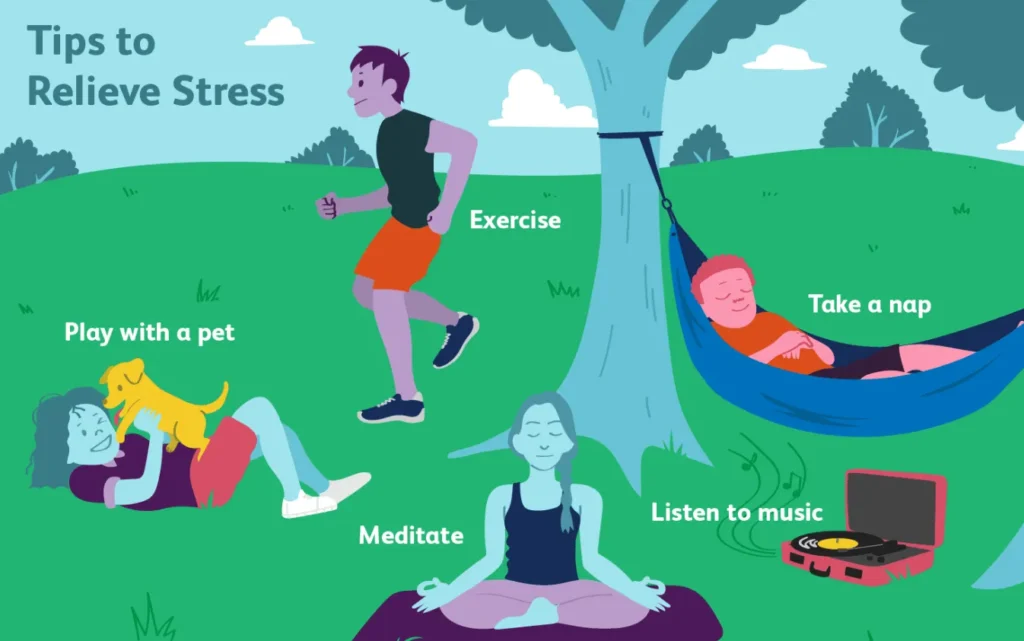
1. Practice Mindfulness and Meditation
Mindfulness involves being present in the moment without judgment. Meditation helps calm your mind and reduce anxiety.
- Spend 10–15 minutes daily meditating
- Focus on your breathing
- Use guided meditation apps if needed
Regular mindfulness practice can significantly lower stress levels and improve emotional resilience.
2. Exercise Regularly
Physical activity is one of the most effective stress relievers. Exercise releases endorphins, which are natural mood boosters.
- Try walking, jogging, or cycling
- Practice yoga or stretching
- Aim for at least 30 minutes of activity daily
Even simple movements can make a big difference in how you feel.
3. Maintain a Healthy Diet
What you eat directly impacts your stress levels. A balanced diet supports brain function and stabilizes mood.
- Eat more fruits, vegetables, and whole grains
- Avoid excessive caffeine and sugar
- Stay hydrated
Healthy eating habits can improve both physical and mental well-being.
4. Get Enough Sleep
Lack of sleep can increase stress and make it harder to cope with daily challenges.
- Aim for 7–9 hours of sleep each night
- Maintain a consistent sleep schedule
- Avoid screens before bedtime
Quality sleep helps your body recover and prepares you for the next day.
5. Manage Your Time Wisely
Poor time management often leads to unnecessary stress. Organizing your tasks can help you stay in control.
- Create a daily to-do list
- Prioritize important tasks
- Break large tasks into smaller steps
Effective planning reduces pressure and increases productivity.
6. Connect with Others
Social support plays a crucial role in stress management. Talking to someone you trust can provide relief and perspective.
- Spend time with family and friends
- Share your thoughts and feelings
- Join support groups or communities
You don’t have to face stress alone.
7. Learn to Say No
Overcommitting yourself can lead to burnout. Setting boundaries is essential for maintaining balance.
- Know your limits
- Avoid taking on too many responsibilities
- Focus on what truly matters
Saying no is not selfish—it’s necessary for your well-being.
8. Engage in Hobbies and Relaxation Activities
Doing something you enjoy can help take your mind off stress.
- Read books or listen to music
- Paint, cook, or garden
- Practice deep breathing exercises
Relaxation techniques help calm your mind and restore energy.
9. Limit Exposure to Stress Triggers
While you can’t avoid all stress, you can reduce exposure to certain triggers.
- Take breaks from social media
- Avoid negative environments
- Stay away from toxic relationships
Creating a positive environment can greatly reduce stress.
10. Seek Professional Help When Needed
If stress becomes overwhelming, don’t hesitate to seek help from a professional.
- Consult a therapist or counselor
- Consider stress management programs
- Explore cognitive-behavioral therapy (CBT)
Professional guidance can provide effective coping strategies tailored to your needs.
Simple Daily Stress-Relief Habits
Incorporating small habits into your routine can make a big difference:
- Practice gratitude daily
- Take short breaks during work
- Spend time in nature
- Listen to calming music
- Smile more often
Consistency is key when it comes to managing stress effectively.
Final Thoughts
Stress is a natural part of life, but it doesn’t have to control you. By understanding its causes and applying effective stress management techniques, you can lead a healthier and more balanced life. From mindfulness and exercise to proper sleep and social connections, each strategy plays a vital role in reducing stress.
Start small, stay consistent, and prioritize your well-being. Remember, managing stress is not about eliminating it completely—it’s about learning how to handle it in a healthy and productive way.
Also Read: The Influence of Celebrities and Influencers on Fashion: Shaping Trends in the Digital Age
