
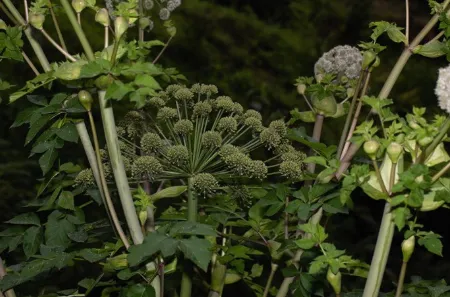
Choraka, scientifically known as Angelica glauca, is a highly valued herb in Ayurveda known for its powerful action on the nervous system, respiratory health, digestion, skin disorders, and Vata-related conditions. Classical Ayurvedic texts describe Choraka as an herb that restores alertness, improves mental clarity, supports heart health, and helps manage several chronic disorders.
This herb has been traditionally used in conditions such as fever, cough, rhinitis, skin diseases, poisoning, epilepsy, neurological weakness, and psychological disorders. Due to its strong Vata-Kapha balancing properties, Choraka continues to hold importance in Ayurvedic formulations used for paralysis, nerve disorders, and muscular weakness.
Botanical Overview of Choraka
The botanical name of Choraka is Angelica glauca and it belongs to the Apiaceae family, also known as Satapushpa Kula in Ayurveda. The herb is commonly known as Chora in Hindi and Punjabi.
In Sanskrit literature, Choraka is referred to by several names including Taskara, Kopana, Chorakakya, Nishachara, Kshemaka, and Dhanhara. These names indicate its medicinal significance and therapeutic actions described in classical Ayurveda.
Choraka is a shrub that generally grows between one to four meters in height and is mainly found in the Himalayan regions at elevations between 8000 and 10000 feet. The plant bears pale green, whitish, or purple flowers arranged in clusters and possesses aromatic medicinal roots rich in therapeutic compounds.
Classical Ayurvedic Classification
Choraka has been mentioned in many important Ayurvedic texts and grouped under different herbal categories based on its medicinal actions. In Charaka Samhita, it is included under Sanjnasthapana Mahakashaya, a group of herbs known to restore consciousness and improve alertness. Sushruta and Vagbhata classify it under Eladi Gana, while Dhanvantari Nighantu places it in Chandanadi Varga.
These classifications show that Choraka was traditionally used not only for physical illnesses but also for neurological and psychological disorders.
Ayurvedic Properties of Choraka
According to Ayurveda, Choraka possesses Katu (pungent) and Tikta (bitter) rasa. It has Laghu (light) and Ruksha (dry) qualities, Ushna Veerya (hot potency), and Katu Vipaka after digestion. These properties make the herb especially useful in balancing aggravated Vata and Kapha doshas.
Ayurveda describes Choraka as Kapha-Vata Hara, Hridya, and Sanjnasthapaka. This means the herb helps reduce excess Kapha and Vata, supports heart function, and improves consciousness and mental alertness.
The root of the plant is mainly used for medicinal purposes, generally in powder form in doses ranging between 1 to 3 grams under Ayurvedic supervision.
Chemical Constituents and Medicinal Activity
The medicinal root of Choraka contains several important compounds including furocoumarins, lingusticum lactone, dimeric compounds, and approximately 1.5% volatile oils. These compounds contribute to the herb’s aromatic nature and therapeutic benefits.
Its volatile oils are known for their warming, circulatory, and calming effects, while other active constituents support neurological and respiratory health.
Benefits of Choraka in Ayurveda
Choraka is considered a versatile herb because of its broad therapeutic applications. Ayurveda explains that it acts on multiple body systems simultaneously.
One of its major benefits is its positive effect on the respiratory system. The root powder mixed with honey is traditionally used for cough, breathlessness, and Kapha-related respiratory disorders. It helps clear congestion, improve breathing, and reduce excessive mucus accumulation.
Choraka is also known to improve digestion and metabolism. It stimulates appetite, reduces abdominal bloating, relieves cramps, and promotes better bowel evacuation. Due to its warming nature, it helps strengthen digestive fire and reduce Ama accumulation in the body.
Ayurveda also describes Choraka as Hridya, meaning beneficial for the heart. The herb supports circulation and helps strengthen cardiac muscles. Its warming and circulatory properties improve blood flow and vitality.
The herb is also widely used in skin disorders. External application of Choraka root paste is traditionally recommended in eczema, insect bites, skin redness, and inflammatory conditions. Its cleansing and stimulating nature supports healthy skin healing.
Another important traditional use of Choraka is in poisoning and toxic conditions. Classical texts mention its use in snake bite and scorpion sting management. The root paste is applied externally while small internal doses are administered under supervision to counter toxic effects.
Choraka for Mental and Neurological Health
One of the most important actions of Choraka is its effect on the nervous system. Ayurveda considers it beneficial for improving memory, alertness, and mental clarity. It has traditionally been used in conditions associated with low concentration, mental dullness, epilepsy, psychological imbalance, and altered consciousness.
Because of its Vata-balancing action, Choraka is also included in several Ayurvedic formulations used in paralysis, muscular weakness, tremors, and neuromuscular disorders. Classical medicated oils and ghees containing Choraka are often used alongside therapies for nerve recovery and mobility improvement.
At Ayursh Ayurveda, we integrate such classical Ayurvedic principles with supportive therapies like Paralysis Massage at Home to help patients improve circulation, muscle strength, flexibility, and neurological recovery in the comfort of home.
External Applications of Choraka
Ayurveda also emphasizes the external use of Choraka. Oil prepared from the herb is traditionally used for massage during fever and Vata disorders. Its warming action helps reduce stiffness, improve circulation, and promote relaxation.
The medicated oil is also used as Nasya (nasal drops) in rhinitis, sinus congestion, and chronic cold conditions. Due to its aromatic nature, Choraka oil is also used cosmetically to provide a pleasant natural fragrance when applied lightly to the body or clothing.
Ayurvedic Formulations Containing Choraka
Choraka is an ingredient in several classical Ayurvedic formulations. Mahapaishachika Ghrita is traditionally used in epilepsy, memory loss, and psychosomatic disorders. Nishoshiradi Taila is used in abscesses, wounds, and diabetic carbuncles.
Sarvamayanthaka Ghrita contains Choraka and is used in paralysis, Parkinson’s disease, asthma, chronic bronchitis, muscle cramps, and neurological disorders. Prabanjana Vimardana Taila is another important formulation beneficial in Vata disorders, nerve pain, numbness, facial palsy, and muscular weakness.
Other formulations containing Choraka include Triphaladi Taila, Sahacharadi Taila, Bala Ashwagandhadi Taila, and Mahanarayana Taila, all of which are widely used in neurological and musculoskeletal conditions.
Safety and Precautions
When used in proper dosage under professional guidance, Choraka is generally considered safe. No major adverse reactions have been reported in classical references. It is usually compatible with dietary supplements and homeopathic medicines.
However, individuals taking modern allopathic medicines should consult a qualified healthcare professional before starting Ayurvedic herbs to avoid possible interactions.
Conclusion
Choraka (Angelica glauca) is a powerful Ayurvedic herb with remarkable benefits for the nervous system, respiratory health, digestion, skin disorders, and Vata-related conditions. Its classical use in neurological care, mental health support, and paralysis management highlights its importance in holistic healing.
From improving digestion and respiratory strength to supporting nerve recovery and mental clarity, Choraka continues to remain one of the valuable herbs in traditional Ayurvedic medicine. With proper guidance, supportive therapies, and balanced lifestyle practices, this herb can play an important role in improving overall health and quality of life.
