
If you spend time texting, scrolling social media, or chatting online, you have probably seen short messages that look confusing at first glance. One of those is WSP. Someone might send a message that simply says “WSP?” or “yo wsp,” leaving many people wondering what the sender actually means.
The WSP meaning in text is simple once you understand how digital communication works. Modern messaging encourages people to shorten words, remove vowels, and compress phrases into quick, efficient expressions. Because of that habit, many common greetings and questions become abbreviated forms.
However, slang like WSP can still feel unclear if you are unfamiliar with it. Depending on the context, tone, or platform, it can signal a casual greeting, a conversation starter, or a way to check what someone is doing. Understanding how WSP works helps you read messages correctly and respond naturally in modern online conversations.
Quick Answer Box
| Abbreviation | Most Common Meaning | Other Meanings | Tone | Commonly Used On | Safe For Work | Quick Tip |
|---|---|---|---|---|---|---|
| WSP | What’s up? | What’s happening, What’s popping | Casual, friendly | Snapchat, TikTok, Instagram, texting, Discord | Yes | Usually a relaxed greeting starting a conversation |
What Does WSP Mean In Text?
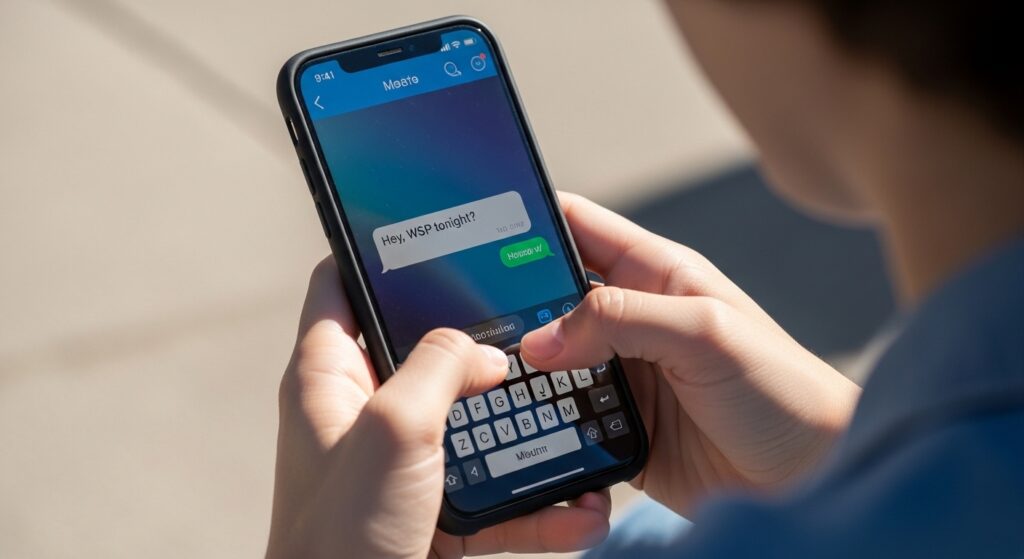
WSP stands for “What’s up?”
It is a casual texting abbreviation used to greet someone or ask what they are currently doing. Linguistically, WSP belongs to the category of conversational shorthand slang, where vowels and punctuation are removed to create fast, compact digital language.
The semantic core meaning of WSP is a social check-in or greeting. Instead of asking a long question such as “What are you doing right now?” people shorten the phrase to something quick and friendly.
The phrase also functions as a social signal. When someone sends WSP, they are often trying to start a conversation, reconnect, or casually check in with another person.
Its popularity spread globally through texting culture, social media platforms, and youth communication styles. As digital communication favors speed and efficiency, abbreviations like WSP became common because they allow users to communicate quickly without typing full sentences.
Context determines whether it feels like a greeting, a casual question, or a conversation opener.
Most Common WSP Meaning In Text
The most common meaning of WSP is simply “What’s up?”
This meaning appears when someone wants to greet another person and start a conversation. The conversational trigger is usually when someone enters a chat, reconnects with a friend, or wants to check in without sounding formal.
The intent behind using WSP is relaxed and friendly. It signals that the sender wants to talk, catch up, or see what the other person is doing.
Example
“WSP bro, you online tonight?”
In this situation, the message socially signals openness to conversation rather than a serious question.
Common WSP Meaning
Another common interpretation is “What’s happening?”
People use WSP when they want to know what someone is currently doing or if something interesting is going on.
Example
“WSP tonight? Everyone going out?”
Here, the phrase functions as a quick inquiry about plans or activities.
Less Common WSP Meaning
Occasionally, WSP can mean “What’s popping?”, which is a slang variation popular in youth culture.
This version emphasizes excitement or curiosity about what is going on socially.
Example
“WSP at the party later?”
In this case, the sender is asking about the vibe or plans for an event.
Rare WSP Meaning
In rare cases, WSP may be interpreted simply as a casual greeting with no expectation of a detailed reply.
Some users send WSP just to acknowledge someone’s presence in a chat.
Example
“Yo wsp.”
Here, the message acts more like saying hello rather than asking a question.
Origin And Evolution Of WSP
WSP evolved from the phrase “What’s up,” a greeting that became widely used in English-speaking cultures during the late twentieth century. The phrase gained massive popularity through hip-hop culture, movies, and everyday informal speech.
When texting and instant messaging became common in the early 2000s, people began shortening phrases to type faster on small phone keyboards. Removing vowels and punctuation became a common habit, producing abbreviations such as WSP.
Social media platforms later accelerated the spread of this style. Younger users especially favored minimal typing and fast conversational exchanges, making WSP a convenient greeting.
Over time, the abbreviation became part of global internet slang and is now recognized across many countries and online communities.
Psychological And Emotional Meaning Of WSP
From a psychological perspective, WSP functions as a low-pressure social invitation.
Unlike a direct question such as “What are you doing right now?”, WSP feels casual and open-ended. It reduces social pressure and allows the receiver to respond with as much or as little information as they want.
It also signals friendliness and approachability. Sending WSP shows that someone is interested in interaction without demanding attention.
Because it is short and informal, the phrase helps maintain relaxed digital relationships, especially among friends and peers.
Communication Function Of WSP
WSP performs several communication roles in digital conversations.
It acts as a conversation opener, allowing someone to start a chat without a specific topic.
It can also function as a social check-in, where the sender simply wants to reconnect or see how someone is doing.
Another role is activity inquiry, where the sender wants to know someone’s current plans or availability.
Because it is flexible, WSP works in many conversational situations without sounding formal or intrusive.
Cultural And Generational Context Of WSP
WSP is most common among younger internet users, particularly Gen Z and millennials who communicate frequently through messaging apps and social platforms.
The abbreviation reflects the broader culture of compressed digital language, where speed and convenience shape how people communicate.
Older generations may prefer full phrases like “What’s up?” or “How are you?”, while younger users often shorten them to forms like WSP.
Despite its youth-driven origins, the term has spread widely and is now recognized across many online communities.
Why WSP Became Popular
Several factors explain the popularity of WSP.
First, it saves time. Typing three letters is faster than typing a full phrase.
Second, it fits the casual tone of online messaging. Informal communication favors short expressions.
Third, it works across many contexts. Whether someone wants to greet a friend, ask about plans, or simply start chatting, WSP functions as a versatile phrase.
Finally, social media platforms encourage short messages and quick responses, which helped abbreviations like WSP spread rapidly.
Semantic Core Meaning Of WSP
At its core, WSP represents a casual social greeting combined with curiosity about someone’s current state or activity.
The phrase does not demand a detailed answer. Instead, it opens the door to conversation while leaving the response flexible.
This balance between friendliness and simplicity explains why the abbreviation remains widely used in modern digital communication.
Most Common WSP Meaning In Text (Deep Dive)

What It Means
In most conversations, WSP simply means “What’s up?” It functions as a relaxed greeting that also checks whether the other person is available to talk.
The tone is informal and conversational, making it common among friends, classmates, and online communities.
Typical Use Cases
Starting a casual conversation
Someone sends WSP when they want to begin chatting but do not have a specific topic yet.
Example
“WSP man, how’s your day going?”
Checking availability
A person may use WSP to see if someone is free to talk or play a game.
Example
“WSP, you free to hop on later?”
Reconnecting with a friend
Sometimes the message appears after a period of silence.
Example
“Hey, WSP? Haven’t talked in a while.”
Examples In Different Tones
“WSP bro, you busy?”
“WSP tonight, anything planned?”
“Yo WSP, long time no see.”
“WSP, you still online?”
“WSP with the project?”
“WSP everyone?”
What It Can Sound Like
Friendly
It sounds welcoming because it opens conversation casually.
Example
“WSP dude, good to see you.”
Curious
The sender might want to know what someone is doing.
Example
“WSP today, anything interesting?”
Relaxed
Sometimes it is simply a laid-back greeting.
Example
“Yo wsp.”
Meaning Based On Context
Positive Use
In positive situations, WSP expresses friendliness and social interest. The tone feels welcoming because the sender wants to connect.
Example
“WSP bro, hope you’re doing well.”
Neutral Use
Sometimes the phrase functions as a simple check-in with no strong emotional tone.
Example
“WSP, you working today?”
Negative Or Critical Use
Rarely, WSP may carry frustration if used after confusion or conflict.
Example
“WSP with you lately?”
Here the phrase questions someone’s behavior rather than greeting them.
Dry Or Rushed Use
If someone sends only “wsp” without punctuation, the tone may feel quick or rushed.
Example
“wsp”
This often signals a quick attempt to start conversation.
How WSP Is Used In Real Conversations
Understanding Or Clarifying
Someone may use WSP when they want to check what another person is doing.
Example
“WSP, are you at home or still out?”
Reacting Or Labeling
Sometimes WSP appears after someone notices unusual behavior.
Example
“WSP with that message you posted?”
Social Or Dating Context
In dating conversations, WSP often serves as an easy conversation starter.
Example
“Hey, WSP tonight?”
Group Or Online Context
In group chats, the phrase can greet multiple people at once.
Example
“WSP everyone, what’s the plan today?”
Gaming Context (If Relevant)
Gamers frequently use WSP to check if friends are online.
Example
“WSP, anyone playing tonight?”
WSP Meaning On Different Platforms
WSP Meaning On Snapchat
On Snapchat, WSP usually appears as a quick greeting when someone opens a chat.
Example
“WSP, just saw your snap.”
WSP Meaning On TikTok
TikTok users sometimes write WSP in comments to ask what is happening in a video or conversation.
Example
“WSP in this clip?”
WSP Meaning On Instagram
On Instagram, the phrase often appears in direct messages when someone starts a casual chat.
Example
“Hey WSP, how’s your week going?”
WSP Meaning In Texting Or Messaging
In texting, WSP acts as a conversation opener between friends.
Example
“WSP, you still awake?”
WSP Meaning On Discord Or Communities
On Discord servers, WSP can greet the whole group or ask what activity is happening.
Example
“WSP chat, what game tonight?”
Capitalization also changes tone slightly. “WSP?” feels more like a question, while “wsp” appears more relaxed.
When To Use Vs When To Avoid WSP
When To Use
Use WSP when chatting with friends, classmates, or online communities where casual language is expected.
Example
“WSP bro, ready for the match?”
When To Avoid
Avoid using WSP in professional conversations or formal messages because it may appear overly informal.
Example
Instead of “WSP with the report?” a clearer message would be “Do you have an update on the report?”
Professional And Safe Alternatives
Better alternatives in formal communication include:
“Hello, how are you?”
“Hi, what are you working on today?”
“Good afternoon, do you have a moment?”
Hidden Or Risky Meanings Of WSP
WSP itself is generally harmless. However, tone and context can sometimes make it sound confrontational.
For example
“WSP with you lately?”
In this situation, the phrase implies frustration or confusion about someone’s behavior.
Understanding context helps avoid misinterpretation.
Variations And Forms Of WSP
wsp
Lowercase usage often appears more relaxed.
Example
“wsp bro”
WSP?
Adding a question mark emphasizes curiosity.
Example
“WSP?”
Yo WSP
This version adds friendliness and enthusiasm.
Example
“Yo WSP man.”
WSP Vs Similar Slang
WSP vs WYD
WSP asks generally what is happening, while WYD specifically asks what someone is doing.
Example
“WSP tonight?” vs “WYD right now?”
WSP vs SUP
SUP is a shortened version of “What’s up,” but it often feels slightly more casual or playful.
Example
“Sup bro.”
How To Decode The Correct Meaning
- Look at the surrounding conversation.
- Consider the relationship between the sender and receiver.
- Check the tone of the message.
- Notice punctuation and capitalization.
- Identify whether the sender expects a conversation.
How To Respond To WSP
Casual Replies
“Nothing much, just relaxing.”
“Just chilling.”
Friendly Replies
“Hey, not much. How about you?”
“Doing good. What’s up with you?”
Mature Or Respectful Replies
“Hello, I’m doing well today. How are you?”
Boundary Or Privacy Responses
“Just busy with work today.”
“Nothing special, just focusing on some tasks.”
Common Misunderstandings About WSP
Some people believe WSP always asks for detailed updates, but that is not necessarily true. In many cases, it is simply a greeting.
Others assume it is only used by teenagers. While younger users popularized it, many adults also use the abbreviation in casual conversations.
Understanding context prevents misinterpretation.
Regional And Cultural Usage Of WSP
WSP is most common in English-speaking online communities, especially in the United States, Canada, and the United Kingdom.
However, internet culture spreads quickly, so the phrase is now recognized globally. Many non-native English speakers also use it when chatting online.
The abbreviation transcends geographic boundaries because it belongs to universal digital slang.
Read: DND Mean in Text
Read: LGHT Meaning in Text
Read: GNG Meaning Slang
Read: RD Meaning in Text
Read: WYO Meaning
Read: FN Meaning in Text
Read: DTM Meaning in Text
Read: What Does IDT Mean in Text
Read: FN Meaning in Slang
Read: What Does GNG Mean
Frequently Asked Questions
Is WSP the same as What’s up?
Yes. WSP is simply an abbreviated version of “What’s up.”
Is WSP rude in texting?
No. It is generally friendly and casual.
Who usually uses WSP?
It is commonly used by younger internet users and in informal conversations.
Can WSP be used in professional messages?
It is better avoided in professional communication because it may sound too informal.
Conclusion
Understanding the WSP meaning in text helps make modern online conversations much clearer. The abbreviation stands for “What’s up,” and it usually works as a casual greeting or a way to start chatting with someone. Because digital communication values speed and simplicity, short expressions like WSP have become common across texting, social media, and online communities.
Although the phrase is simple, its meaning still depends on context, tone, and the relationship between people in the conversation. Sometimes it acts as a friendly greeting, while other times it checks what someone is doing or whether they are available to talk. Recognizing these subtle differences allows you to interpret messages correctly and respond naturally whenever someone sends WSP in text.
